
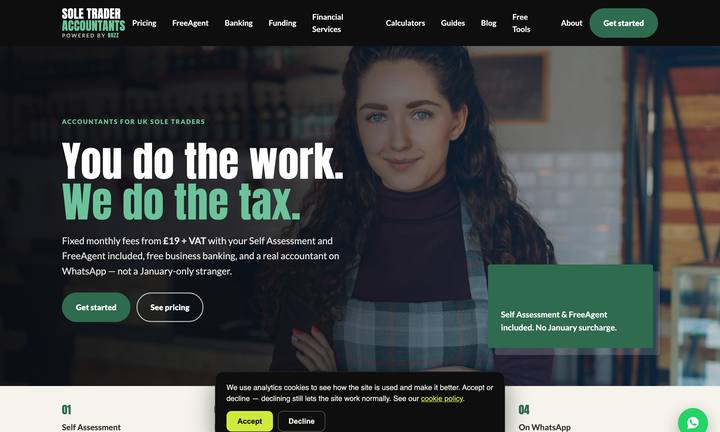
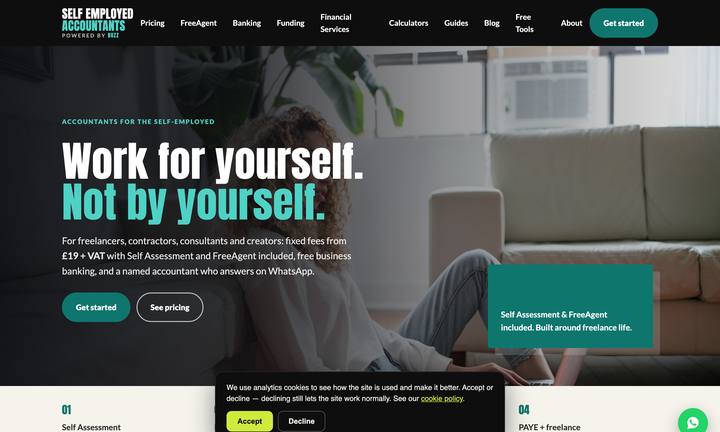

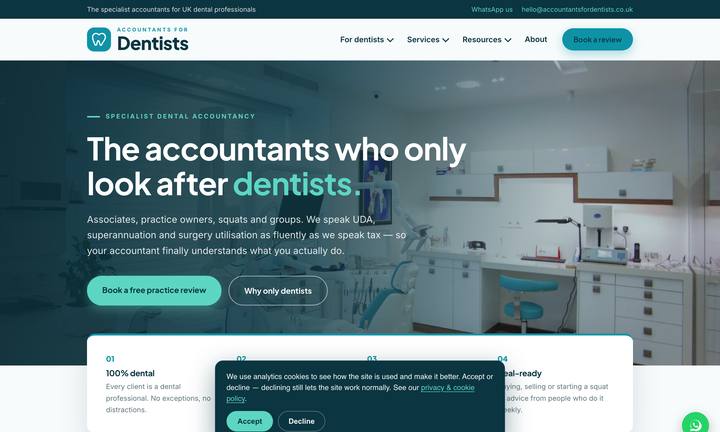
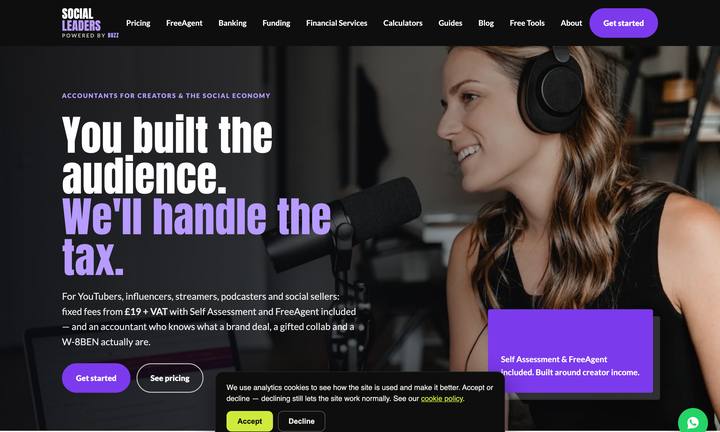
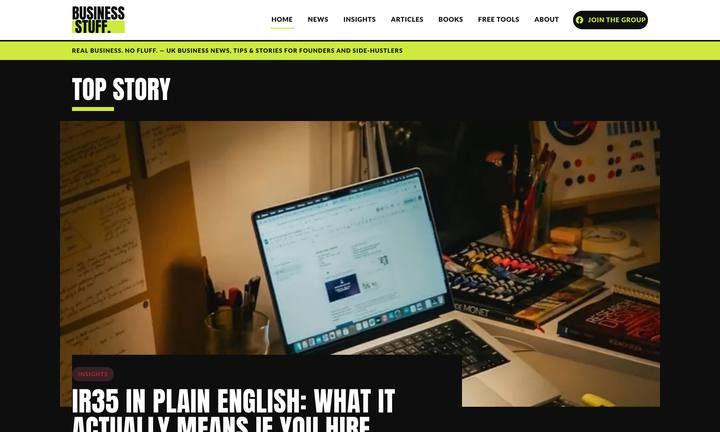
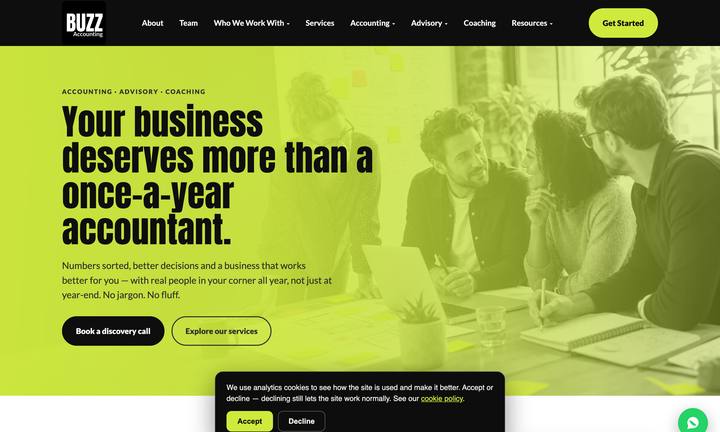
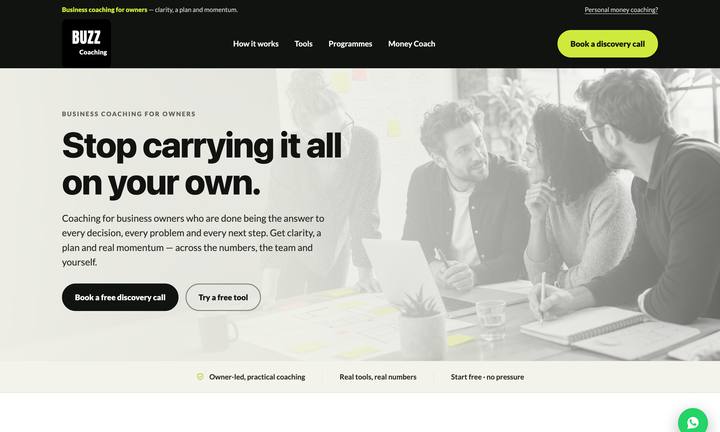



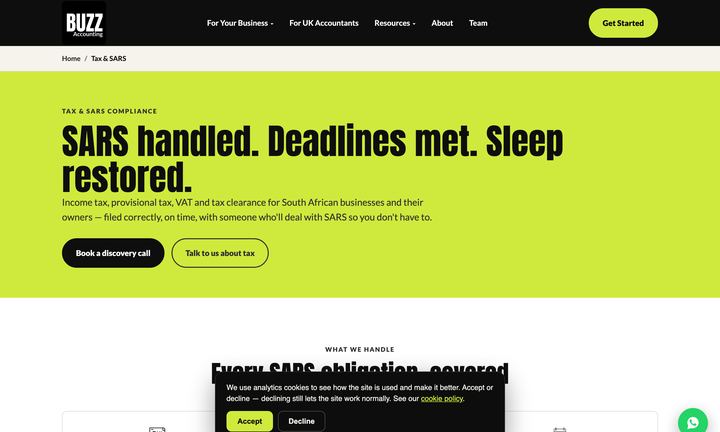
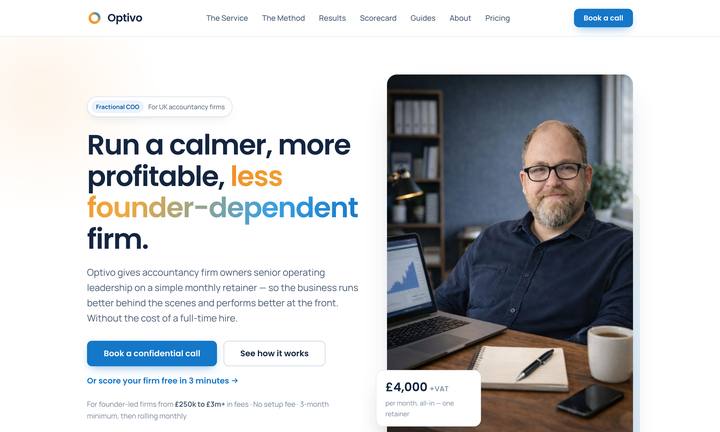

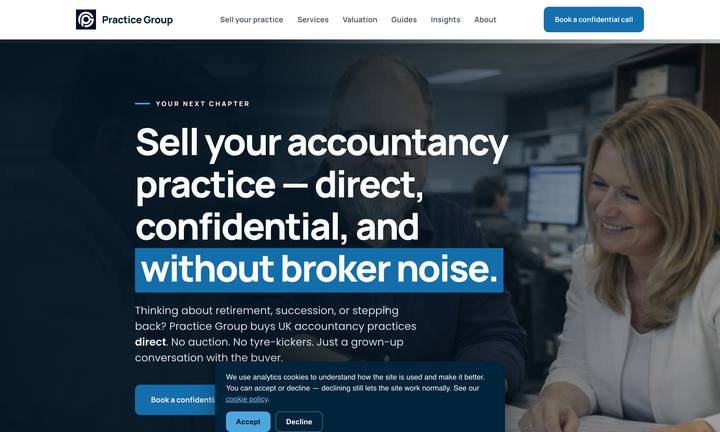

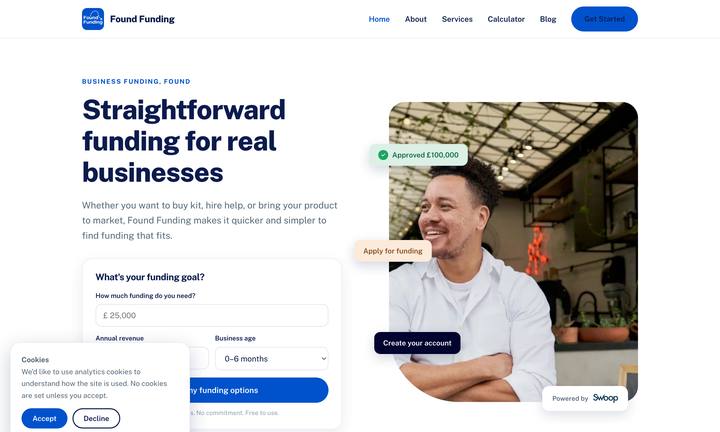
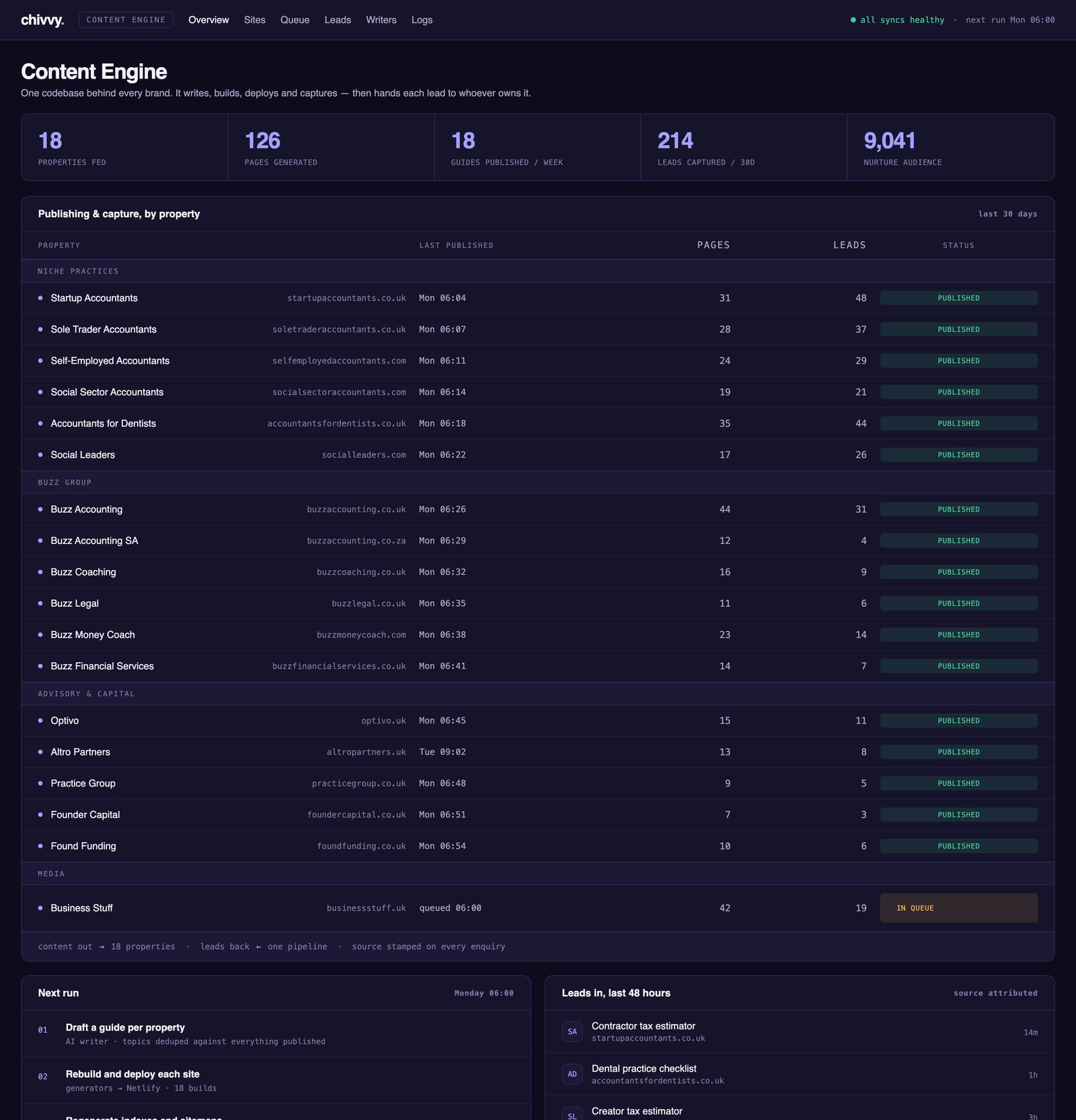
Eighteen properties, several distinct audiences, and one person's attention. Run conventionally that's eighteen content calendars, eighteen build processes, and eighteen sets of contact forms quietly failing in the background without anyone noticing for months.
So the sites aren't really separate sites. They're one codebase with per-brand identity — each keeping its own name, palette, domain and voice, so it reads as a specialist rather than a template, while sharing every component underneath.
That makes the marginal cost of a new brand close to zero. Adding one is a configuration entry, not a project. And it means an improvement to lead capture, or page speed, or schema markup, lands on every property at once rather than being rolled out eighteen times.
The part that compounds is the publishing. A scheduled writer drafts and deploys a new guide per property each week and fixes the indexes and sitemaps behind it. Nobody has to remember, and consistency stops depending on anyone's willpower.
- One codebase, many brands — shared build components with per-brand identity, so a new site is configuration rather than a project
- ~126 programmatically generated pages — calculators, comparisons and location pages built from structured data
- A scheduled AI writer that researches, drafts, formats and publishes a guide per site weekly, then rebuilds indexes and sitemaps correctly
- Capture standardised everywhere — one form function mirrored across every site, with source attribution on every lead
- Nurture built in — welcome drips and a long-running sequence, plus consolidation of roughly nine thousand existing contact records into one audience
- Lead magnets and free tools as the front door: tax estimators, checklists and scorecards that are useful before anyone gives an email address
- A cross-business dashboard with a weekday briefing email, pulling deploy, email, database and outbound metrics into one place
Generated pages, not a CMS
Every page is produced from structured content by a build script. There's no admin interface and nothing is typed into a database.
It sounds like a limitation and it's the opposite: a template change updates every page across every brand at once, the whole estate can be re-themed or re-indexed from one script, and there are no CMS licences or plugin updates to manage.
Free tools as the front door
Calculators, estimators and checklists rather than gated PDFs. They're genuinely useful before anyone hands over an email address.
A tax estimator answers a question somebody actually typed into Google, which is why it earns the visit. The email address is offered afterwards because the tool was worth using — which produces a better-qualified lead than a download wall.
Source attribution on every single lead
One form function, mirrored across every property, stamping which brand and which page produced the enquiry.
Without that, eighteen sites is a guess about what's working. With it, the content that produces leads is visible, so the next week's writing goes where the evidence points rather than where the enthusiasm is.
A briefing email, not a dashboard
A weekday email pulls deploy status, lead counts, email metrics and errors into one place.
It arrives rather than waiting to be visited, which is the only reason it still gets read. A broken sync shows up the next morning instead of the next quarter.