









chivvy. Book a call
ProductsWhat we doWorkHow we workGuidesArticlesAboutFor accountancy practicesFree automation checkFree toolContactBook a call

Case study · The content engine

Runs weekly · eighteen properties

One engine writing and publishing for eighteen websites

A content and capture machine that writes, builds, publishes and follows up across eighteen websites, from specialist accountancy brands to a business news site, every week, without anyone touching it.

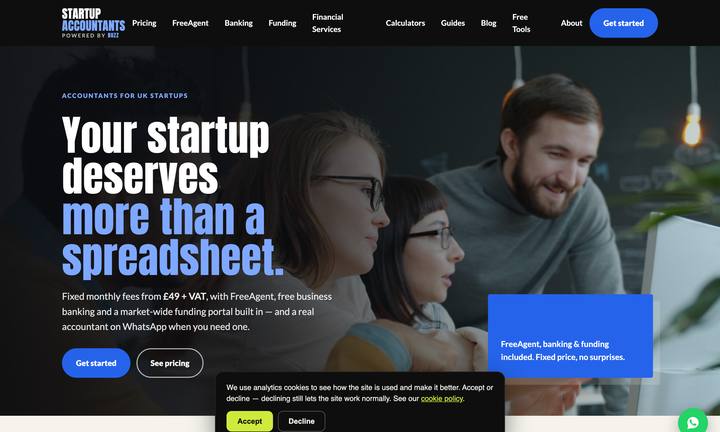
startupaccountants.co.uk
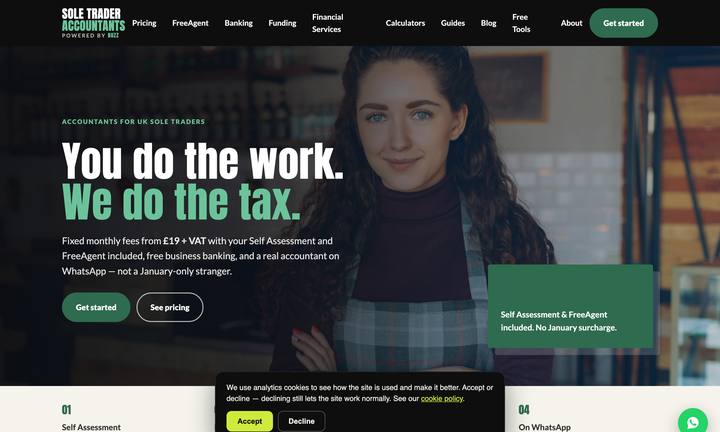
soletraderaccountants.co.uk
selfemployedaccountants.com
socialsectoraccountants.com
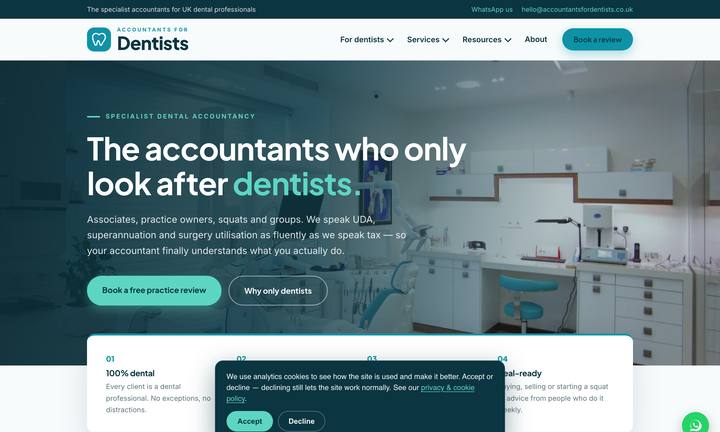
accountantsfordentists.co.uk
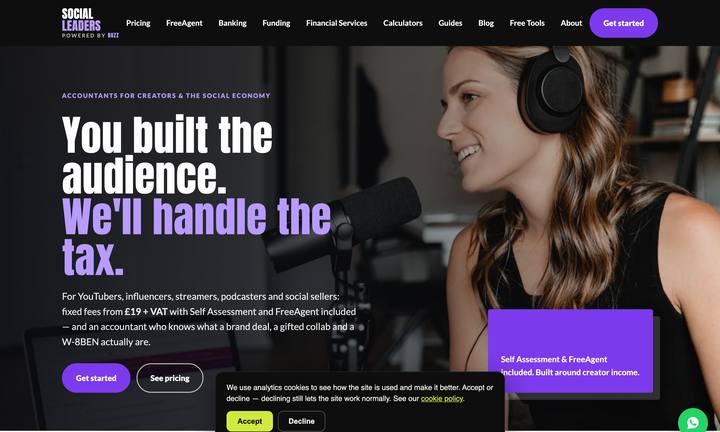
socialleaders.com
socialleaders.com
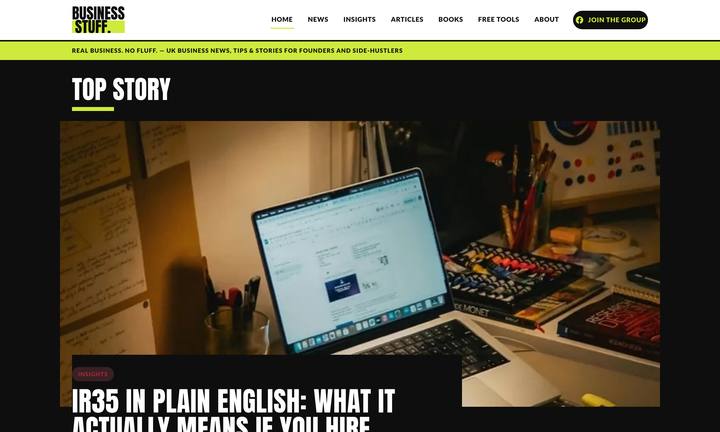
businessstuff.uk
businessstuff.uk
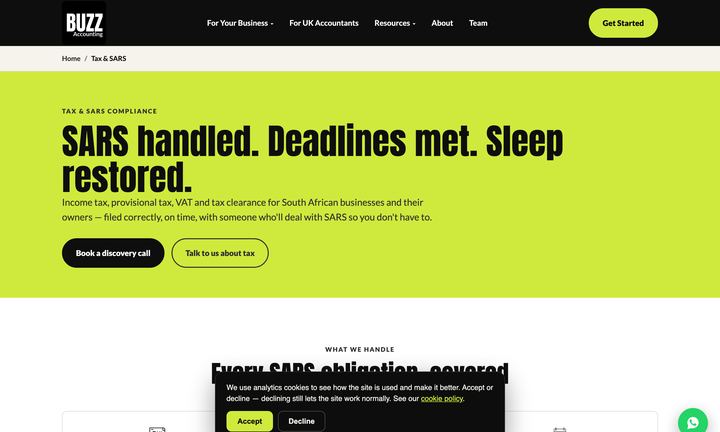
buzzaccounting.co.uk
buzzcoaching.co.uk
buzzcoaching.co.uk
buzzlegal.co.uk
buzzlegal.co.uk
buzzmoneycoach.com
buzzmoneycoach.com
buzzfinancialservices.co.uk
buzzaccounting.co.za
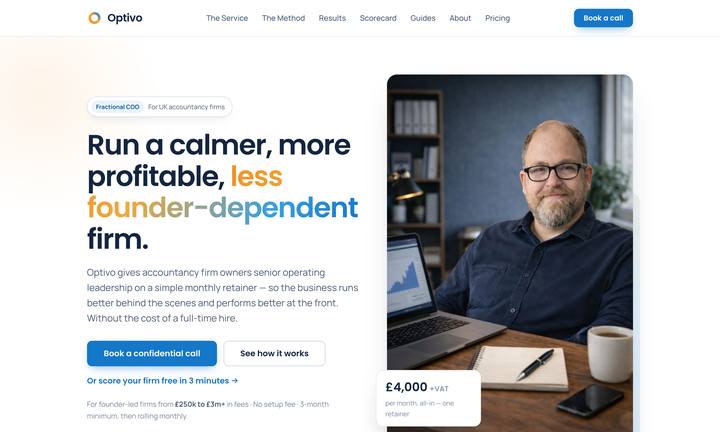
optivo.uk
optivo.uk
altropartners.uk
altropartners.uk
practicegroup.co.uk
practicegroup.co.uk
foundercapital.co.uk
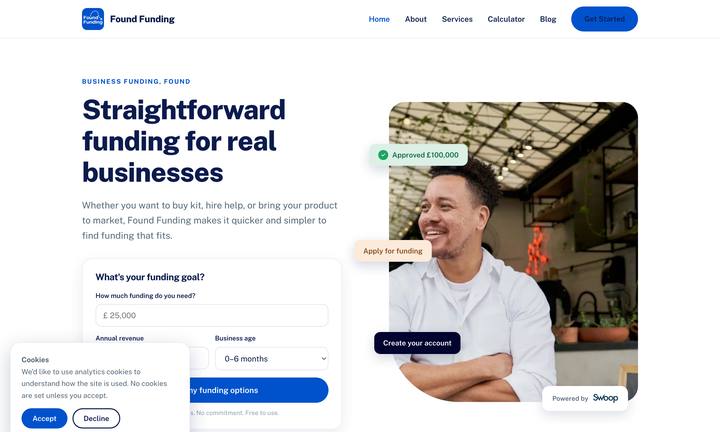
foundfunding.co.uk
foundfunding.co.uk

Every site the engine feeds, as each one looks live. Real screenshots.

Eighteen sites and one person's attention

Run the usual way, eighteen properties means eighteen content calendars, eighteen build processes and eighteen sets of contact forms that can fail in the background for months before anyone notices.

So the sites are one codebase with an identity per brand. Each keeps its own name, palette, domain and voice, so it reads as a specialist, while sharing every component underneath.

That puts the cost of a new brand close to zero. Adding one is a configuration entry. An improvement to enquiry capture, page speed or structured data lands on every property at once.

The weekly run

A new guide for every site, every week

A scheduled writer researches, drafts, formats and publishes a guide for each property, then rebuilds the indexes and sitemaps behind it. Nobody has to remember, and the output no longer depends on anyone's willpower.

Run sheetSix of the eighteen sites shown
SiteResearchDraftFormatPublishRebuild indexes and sitemap
startupaccountants.co.uk
soletraderaccountants.co.uk
accountantsfordentists.co.uk
socialsectoraccountants.com
businessstuff.uk
buzzaccounting.co.uk

Illustration of one week's run

One codebase

Each brand looks like itself

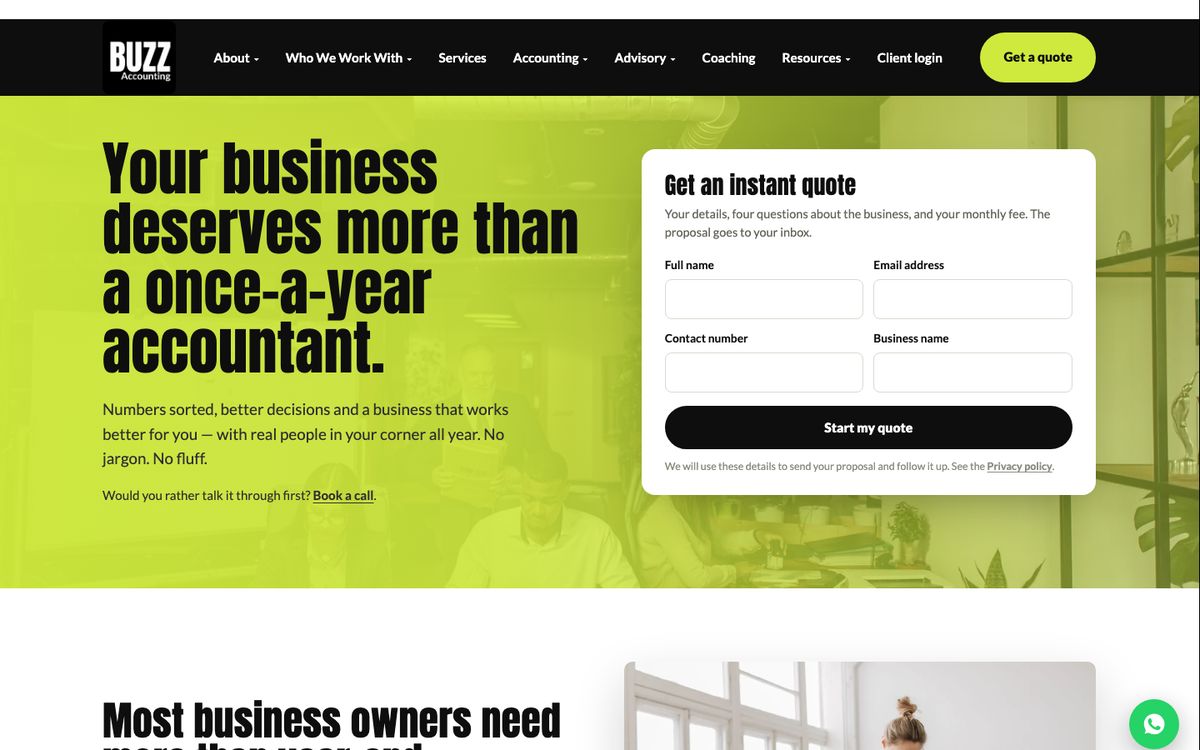
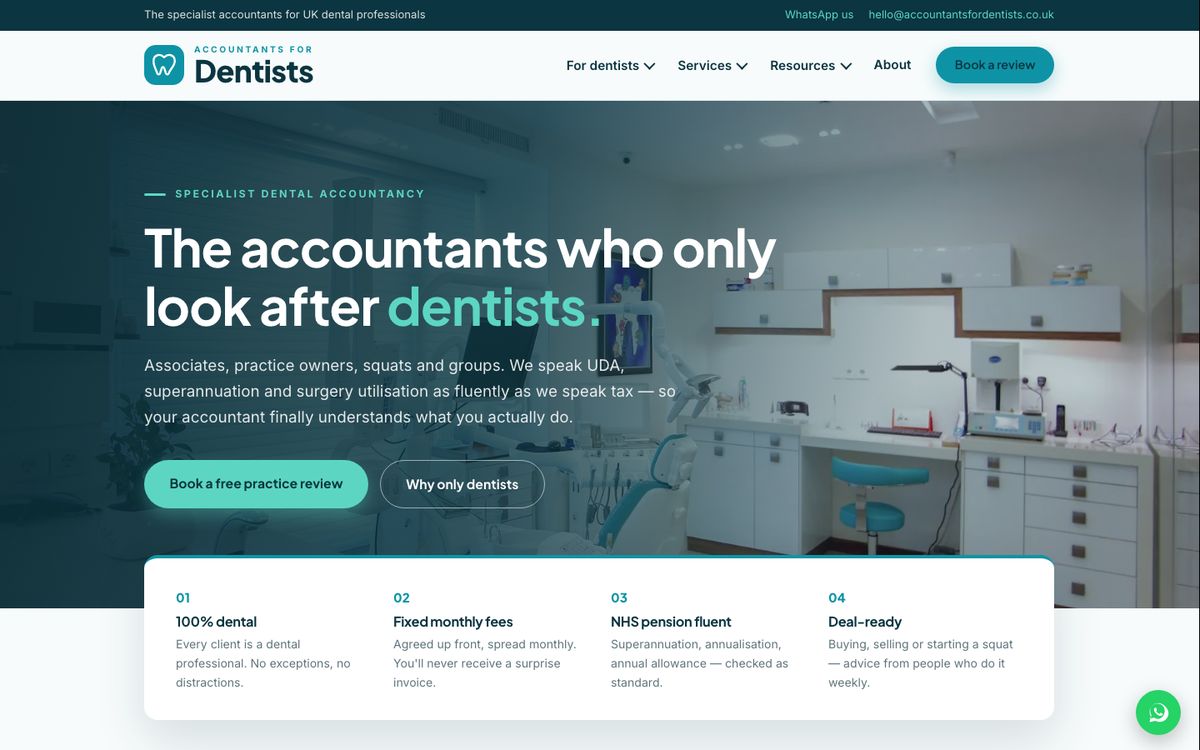
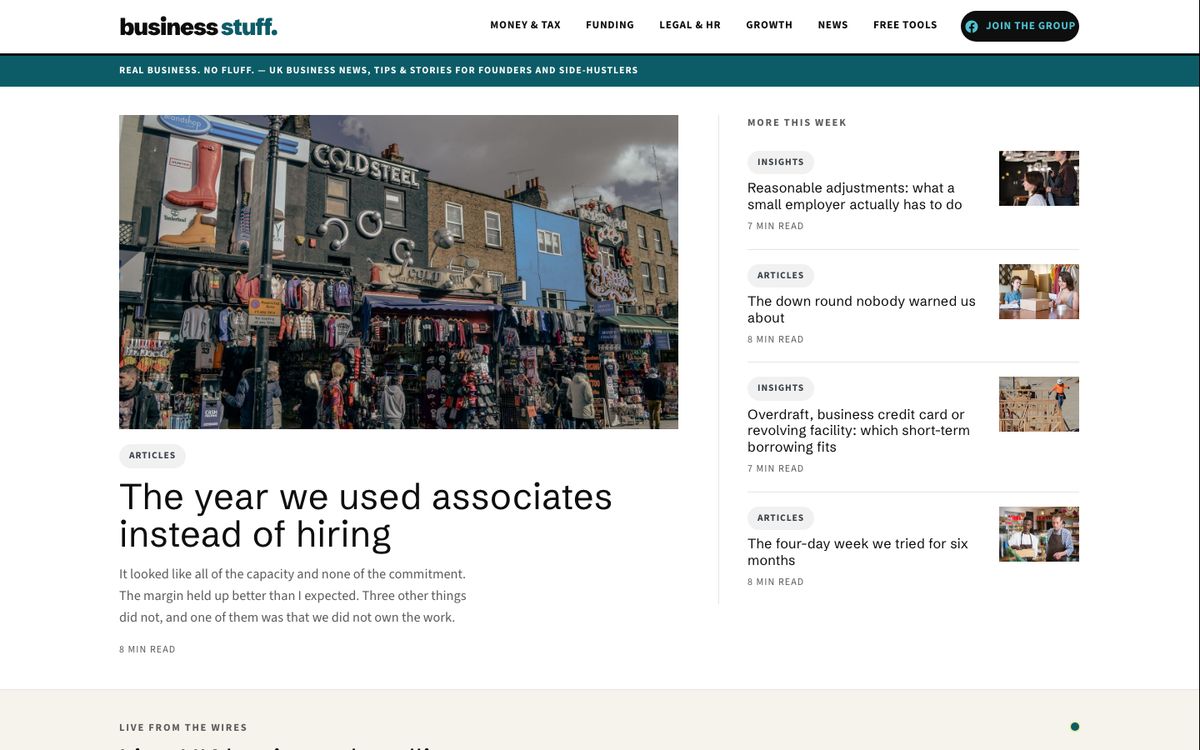
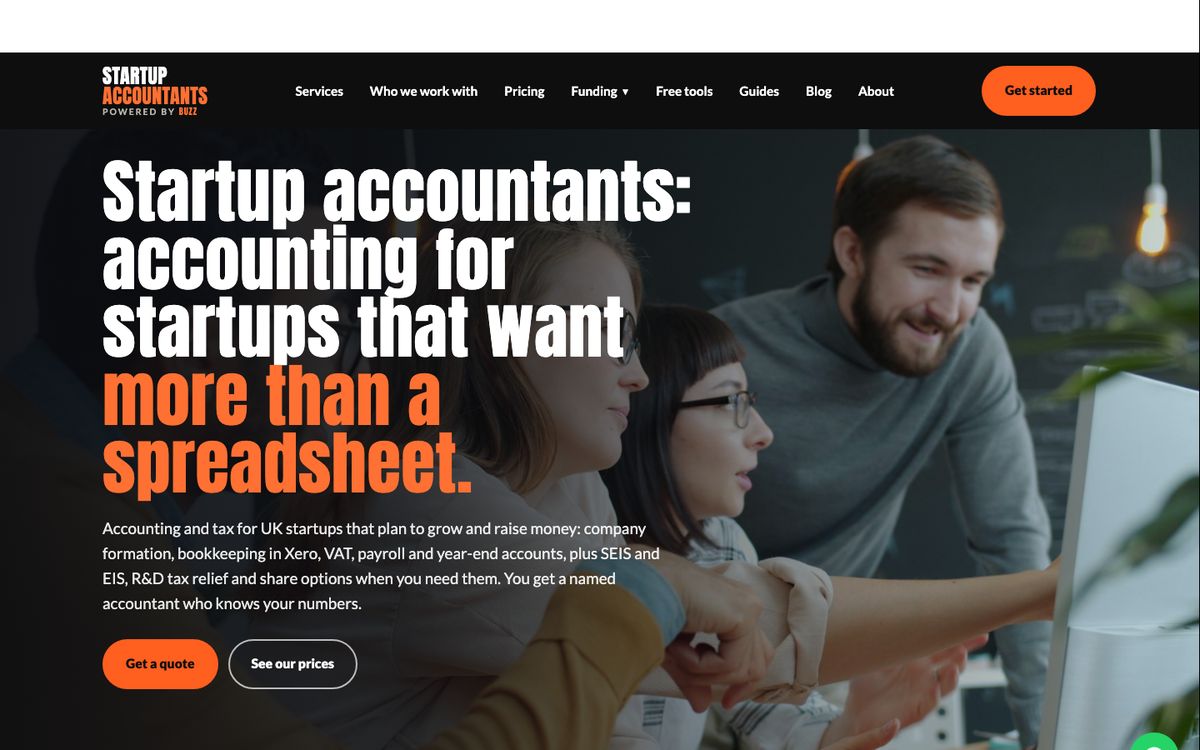
The same components build all four of these home pages. The palette, the type, the photography and the voice belong to the brand.

About 126 pages across the estate are generated from structured data: calculators, comparisons and location pages.

Home page of buzzaccounting.co.uk
buzzaccounting.co.ukBlack and lime, condensed headings, an instant quote form
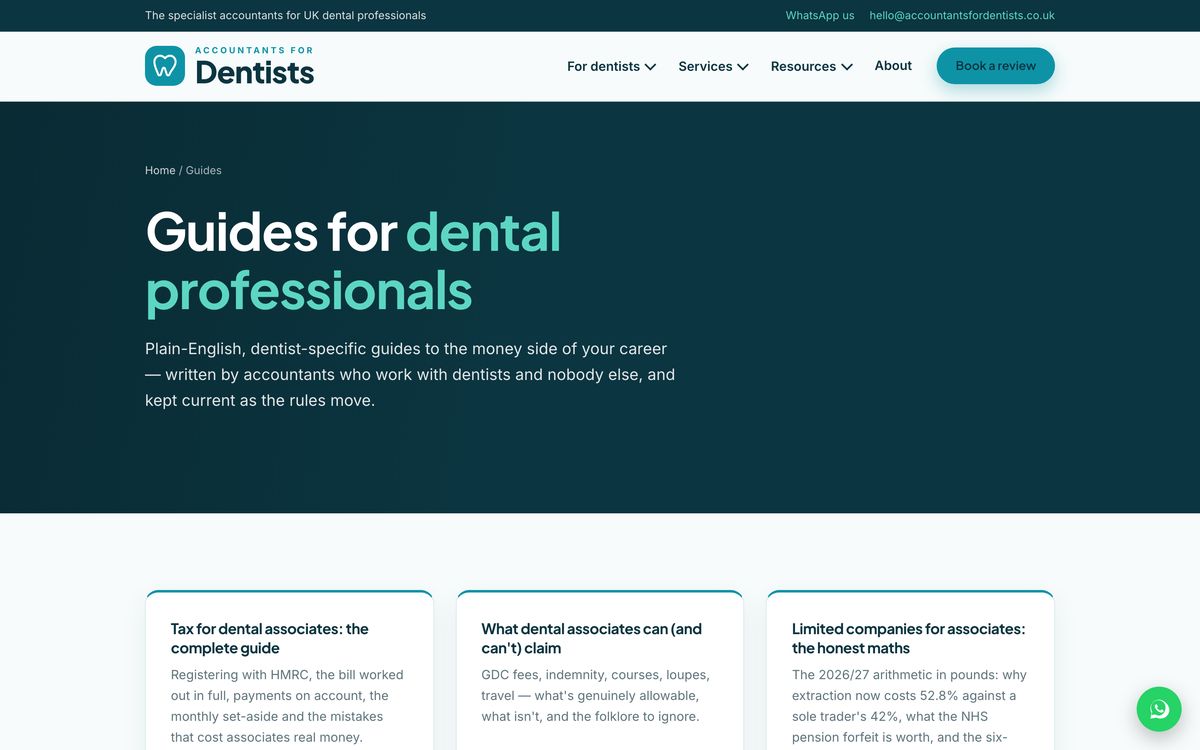
Home page of accountantsfordentists.co.uk
accountantsfordentists.co.ukDark teal and mint, for one profession only
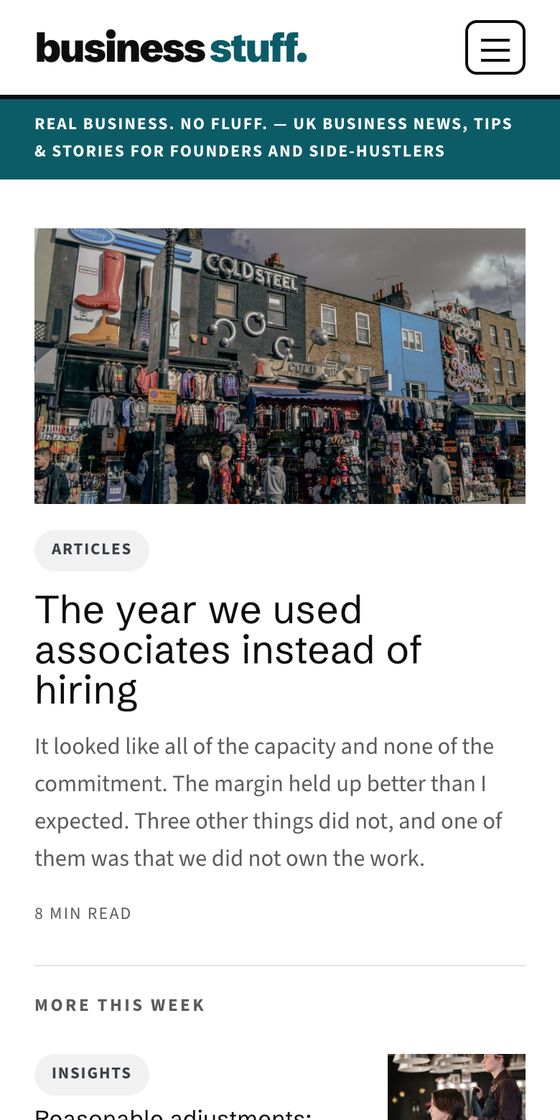
Home page of businessstuff.uk
businessstuff.ukA news front page for founders
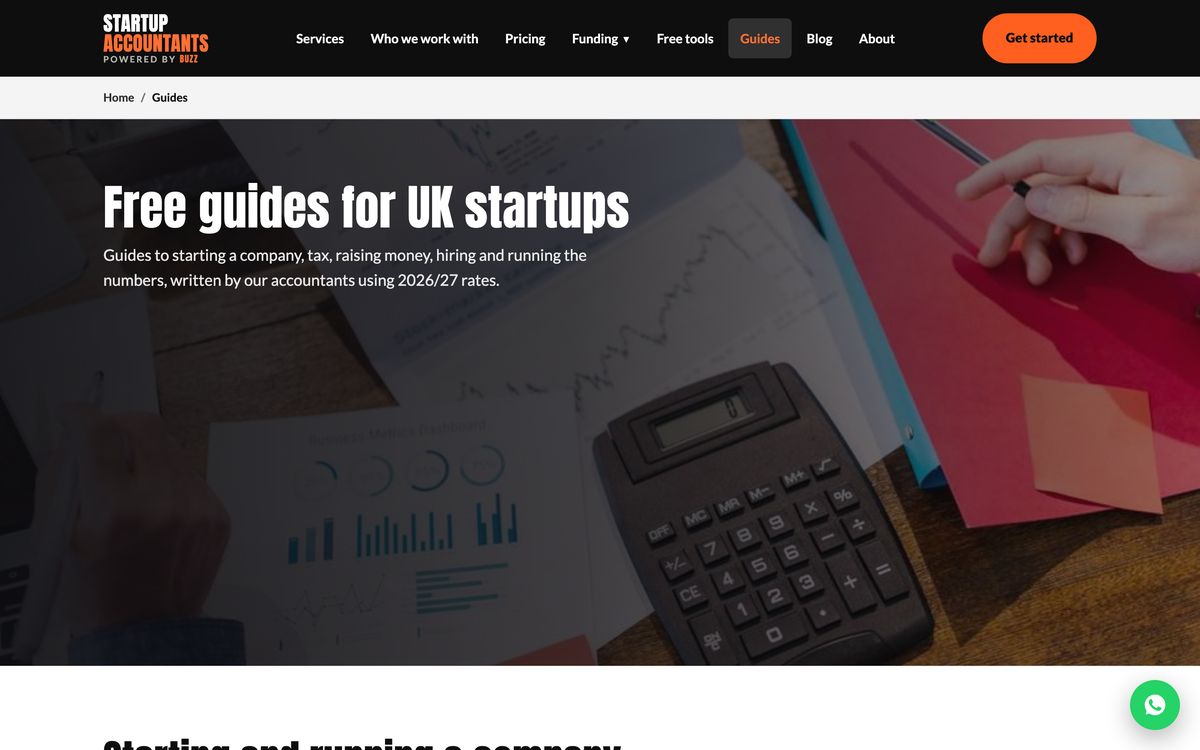
Home page of startupaccountants.co.uk
startupaccountants.co.ukBlack and orange, for companies planning to raise money
The guides library on accountantsfordentists.co.uk
Guides on accountantsfordentists.co.uk
The guides library on startupaccountants.co.uk
Guides on startupaccountants.co.uk

What comes back

Capture is the same everywhere. One form function is mirrored across every site, with the source recorded on every enquiry, and everything lands in one place.

Free tools are the front door: tax estimators, checklists and scorecards that are useful before anyone gives an email address. Behind them sit welcome emails and a long-running sequence, and roughly nine thousand existing contact records were brought together into one audience.

businessstuff.uk on a phone
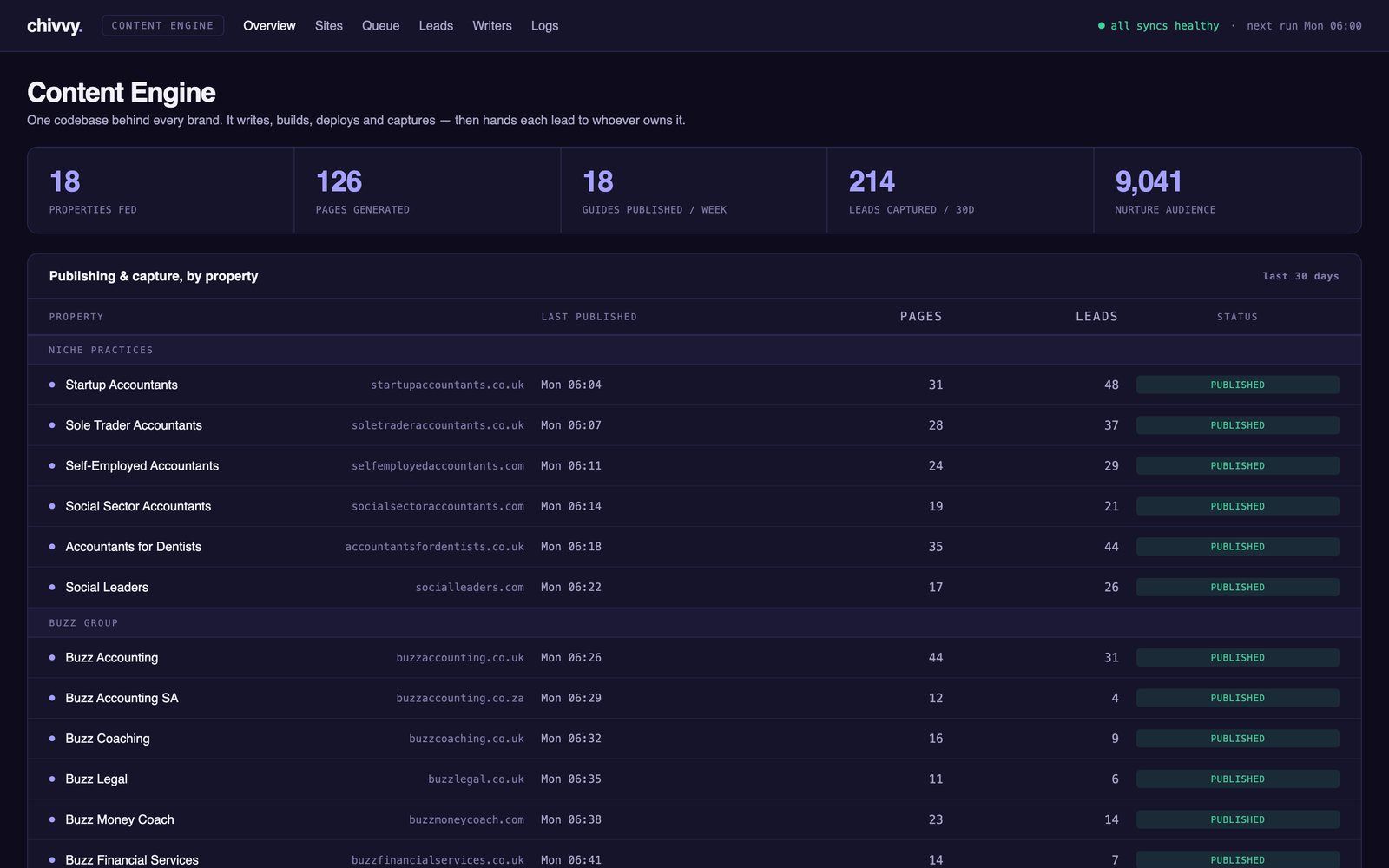
Illustration of the content engine console listing each property and its last publish
Illustration of the engine console. Figures on it are illustrative.

Built from parts already in the stack

  • Python generators
  • Netlify Functions
  • Supabase
  • Claude
  • Brevo
  • Scheduled tasks

Adding another brand is a configuration change, and next week's content is a schedule. It is the same shift we build for clients: the thing that needs doing again and again becomes something the system does reliably.

The decisions behind it

1

Generated pages with no content system

Every page is produced from structured content by a build script. There is no admin screen and nothing is typed into a database. A template change updates every page on every brand at once, the whole estate can be re-themed or re-indexed from one script, and there are no licences or plugin updates to manage.

2

Free tools at the front door

Calculators, estimators and checklists sit where a gated download would usually go. A tax estimator answers a question somebody typed into Google, which is why it earns the visit. The email address is offered afterwards because the tool was worth using.

3

A source on every enquiry

One form function, mirrored across every site, stamps which brand and which page produced the enquiry. Without it, eighteen sites is a guess about what works. With it, the content that produces enquiries is visible, and next week's writing goes where the evidence points.

4

A briefing that arrives each weekday

A weekday email pulls deploy status, enquiry counts, email figures and errors into one place. It arrives without anyone visiting a dashboard, which is why it still gets read. A broken sync shows up the next morning.

Tell us what's eating your week.

Tell us the job that keeps not getting done. We'll tell you if software can take it off you, and what it costs.

To: Andy Jackson, Chivvy

Hi Andy, I'm . The job that keeps not getting done is . You can reach me at .

It goes to Andy, and he replies himself. Or book a 30-minute call.